
INSTALLATION GUIDES / HEADLIGHT CARE
Resolving Moisture in Headlights
Identify temporary condensation, check for water entry, and work through drying, caps, seals, and ventilation.
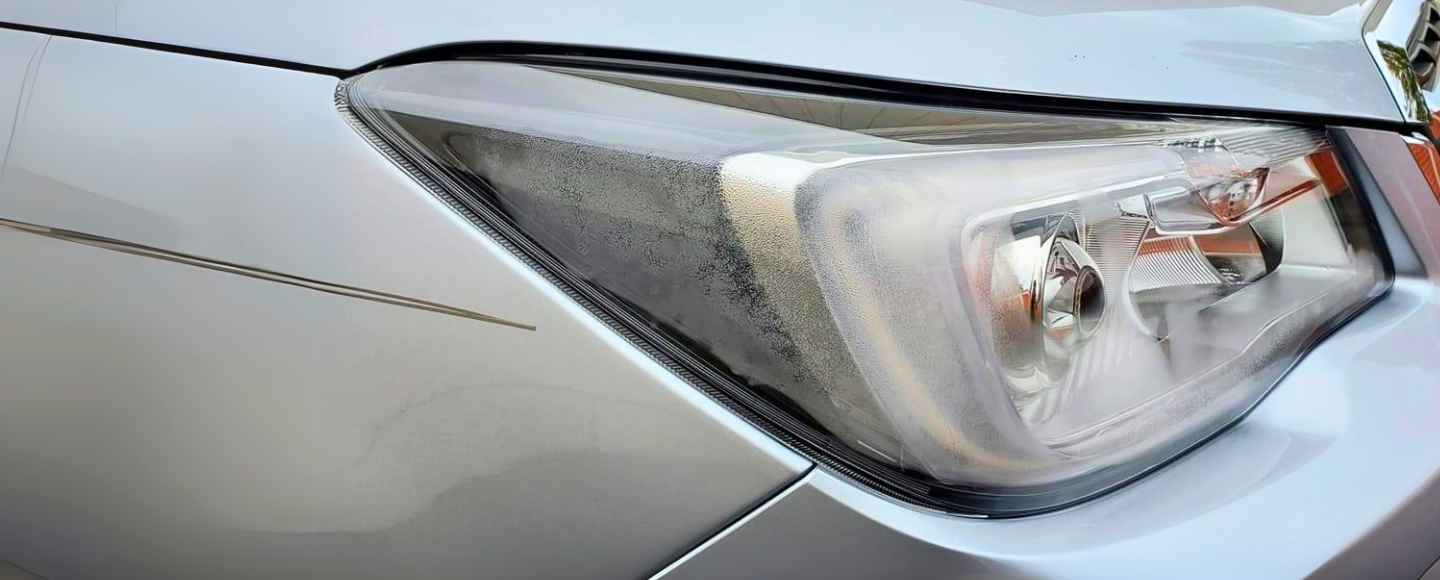
How do you remove moisture from headlights?
First check whether it is temporary misting or water collecting inside. Let the housing dry using its approved service procedure, then inspect caps, gaskets, seams, cracks, and vents. Correct the source of water entry before resealing or considering an optional breather patch.
Guide by Lighting Trendz · Updated October 27, 2026
Condensation or a Leak?
A light film of mist can form inside a vented headlight when humidity and temperature change. It may clear as conditions change and the housing ventilates.
Large droplets, persistent fogging, or water pooling at the bottom need inspection. Check the caps, seals, housing, and ventilation rather than assuming drying alone will fix the cause.
Step 1: Remove the Moisture
Switch the lights off and let the assembly cool. If your headlight has a serviceable rear cap, follow the vehicle instructions to remove it and let the housing air out in a clean, dry, sheltered place.
Gentle airflow can help. Avoid concentrated heat from a heat gun, and do not direct dirty or oily compressed air into the housing. Protect the open assembly from rain, washing, dust, and debris.
The earlier guide suggested 24–48 hours of airing out; actual drying time varies with humidity, temperature, and the amount of water. Refit the cap correctly once dry, before driving or exposing the vehicle to water. Standing water or wet electronics should be assessed by an installer.
Step 2: Check All Caps, Covers & Vents
- Check that bulbs, rear caps, covers, and their gaskets are correctly seated.
- Inspect wiring pass-throughs and grommets, especially on modified headlights.
- Check factory vents for blockage or damage. Keep them functional—do not seal them over.
- Inspect the housing and lens for cracks.
After correcting an opening and drying the housing, monitor whether the moisture returns.
Step 3: Inspect & Repair the Seal
Look around the lens-to-housing seam for separation, gaps, or damaged sealant. Repair the actual entry point using materials and a method compatible with the housing.
For headlights that were cut open, inspect the repaired seam and use compatible automotive RTV sealant where required by the repair method. For butyl-sealed headlights that were opened with heat, check lens seating and the butyl seal before deciding whether the assembly needs reopening or resealing.
Heating is housing-specific; do not rebake an unknown assembly as a general moisture fix. Follow the sealant’s full cure requirements and check the repair before reinstalling.
Step 4 (Optional): Install Breather Patches
First address leaks and restore the factory ventilation. A breather patch may help a suitable modified housing ventilate, but it does not repair a cracked housing or failed seam.
Our 20mm Breather Patch product instructions specify a 1/2-inch opening, preferably on the back of the housing away from direct water splash. Confirm a suitable location with clearance from internal parts before modifying the housing. Clean the mounting area and cover the opening completely with the patch as directed.
Install only after the housing is dry. If you are unsure whether the housing can be modified, contact our team or an installer first.
When to Contact an Installer
Get help if water pools inside, moisture returns after drying and reseating caps, you find cracks or corrosion, or a light stops working. If light output or visibility is affected, resolve the issue before night driving.
Common Questions
Is some condensation inside a headlight normal?
A temporary light film can occur with humidity and temperature changes. Persistent fogging, large droplets, and pooled water should be inspected.
Will drying the headlight fix a leak?
Drying removes moisture already inside. If a cap, gasket, seam, or housing is damaged, the entry point also needs repair.
Should I block the vents to keep moisture out?
No. Factory vents allow the housing to ventilate. Check them for blockage or damage and keep them functional.
Can breather patches fix a failed seal?
No. Address the failed seal or cracked housing first. A breather patch is an optional ventilation measure for a suitable housing.
Technical reference: HELLA: Condensation in headlights. Follow the service instructions for your specific vehicle and headlight.