
INSTALLATION GUIDES / HEADLIGHT CUSTOMIZATION
How to Open and Seal Headlights
Learn the differences between butyl and permaseal, how to open the housing for LED upgrades, and what to check when resealing it.
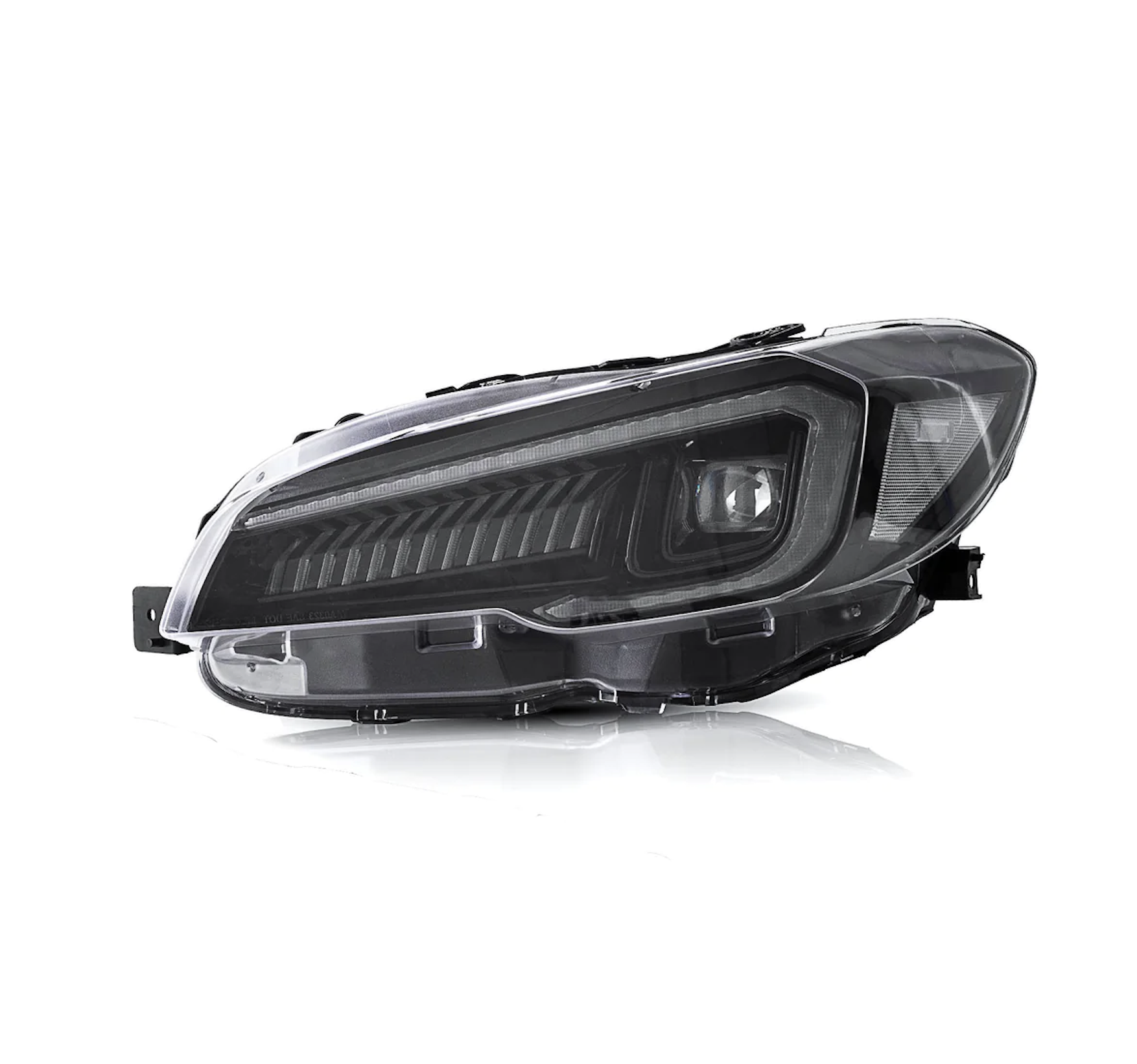
How do you open and reseal headlights?
Identify the factory sealant first. Butyl-sealed assemblies can generally be opened by softening the sealant and carefully separating the lens. Permaseal housings require a different approach. Install and test the new LEDs, then reseal with a method and materials suitable for the housing and allow the seal to cool or fully cure before reinstallation.
Guide by Lighting Trendz · Updated October 27, 2026
Types of Sealant
Two common factory headlight sealants are BUTYL and PERMASEAL. Identify the sealant and housing construction before choosing an opening method.
- BUTYL: softens with heat and can generally be separated by carefully working around the lens channel.
- PERMASEAL: is more permanent and requires a different opening approach. The cutting method described below is an advanced option that changes the housing.
Check instructions for your specific headlights. A housing that does not separate easily should be reassessed before applying more heat or force.
Baking Your Butyl Headlights
Confirm that the housing and its components are suitable for the heating method before starting. The temperature and times below are this guide’s butyl procedure; follow housing-specific requirements where they differ.
- Preheat the oven to 240°F. Place the headlight on a cookie sheet so it does not contact the oven grates.
- Heat for 12–20 minutes to soften the butyl. Remove the assembly with heat-resistant gloves.
- Use a pry tool or flat-head screwdriver to work gently around the seal, separating the lens from the housing. Avoid bending or damaging the channel.
- Once you have worked all the way around, gently separate the lens. If the sealant needs more softening, the original procedure allows reheating for 5–10 minutes; reassess the housing and stop if you see deformation or damage.
- With the lens removed, disassemble the bezel as needed for your LED kit.

Cutting Open Your Permaseal Headlights
Cutting is an advanced method for housings that require it. Confirm the construction and a repair plan before cutting; the assembly must be securely resealed afterward.
- Use a suitable rotary cutting tool or ultrasonic cutter and plan a clean cut where the lens meets the housing at the seal.
- Work slowly around the headlight. Keep the cut controlled to avoid damaging internal components and to make resealing easier.
- Once separated, disassemble the bezel as needed for your installation.
Use eye protection and follow the tool manufacturer’s instructions. If the housing’s construction or repair method is uncertain, consult an installer before cutting.
Install & Test Your LEDs
Follow the instructions for your halo or DRL kit, including its matching drivers, controller, and power requirements. Test all new LEDs and connections before resealing the housing.
Resealing Your Butyl Headlights
- After installing and testing the LEDs, remove the old sealant from the channel.
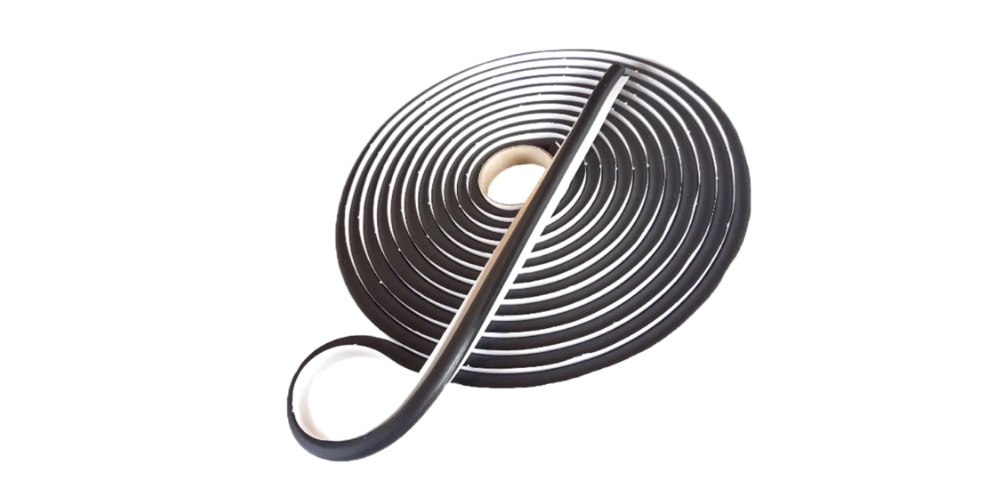
- Fill the channel continuously with new butyl sealant/Rubberwerkz, leaving no gaps.
- Preheat to 240°F again and press the lens onto the housing. Where suitable for your assembly and sealant, heat for 12–20 minutes.
- Remove using heat-resistant gloves. Press the lens fully into the softened sealant and channel.
- Use clamps around the channel to hold the lens while it cools. The original procedure allows about 30 minutes before removing clamps and excess sealant.
Follow the sealant and housing instructions if they require different handling or cooling times. Check that the lens is fully seated all the way around.
Resealing After Cutting Open Your Headlights
The original cut-housing procedure joins the cut plastic with a hot knife or soldering iron, then applies black silicone around the seam. Use this approach only when suitable for the housing material and follow the repair and sealant product instructions.
- Align the lens and housing and join the cut seam using the appropriate repair method.
- Apply compatible sealant continuously around the repaired seam without gaps.
- The original guide specifies 24 hours before vehicle installation. Follow the sealant manufacturer’s full cure time if it is longer or differs for your conditions.
- Inspect the seam, lens seating, vents, and wire exits before reinstalling. A continuous-looking seam alone does not establish a watertight repair.
Common Questions
What is the difference between butyl and permaseal?
Butyl softens with heat and is generally easier to separate. Permaseal is more permanent and requires a different approach depending on the housing construction.
What temperature does this guide use for butyl headlights?
This guide specifies 240°F for 12–20 minutes. Confirm that the housing and its components are suitable for the method, and follow housing-specific requirements where they differ.
Should I test the LEDs before resealing?
Yes. Install and test your LEDs and wiring before closing the lens so you can correct connections while the housing is open.
How long should I wait after resealing a cut housing?
The original procedure specifies 24 hours before installation. Follow the sealant manufacturer’s full cure time if it is longer or differs for your conditions.
Need Help With Your Headlights?
Contact our team with your vehicle, headlight details, and photos before choosing an opening or resealing method.